Harbor School explores learning through experience
Published 7:00 pm Monday, December 29, 2025

Students in grades 4-8 at Vashon’s Harbor School are continuing a long-standing tradition of grade-level trips that combine academic learning with hands-on experiences.
These annual excursions are designed to strengthen cohort connections and expose students to history, culture, community and natural environments beyond the classroom.
Here’s how students saw the world and fed their minds last October.
Journey of curiosity and connection
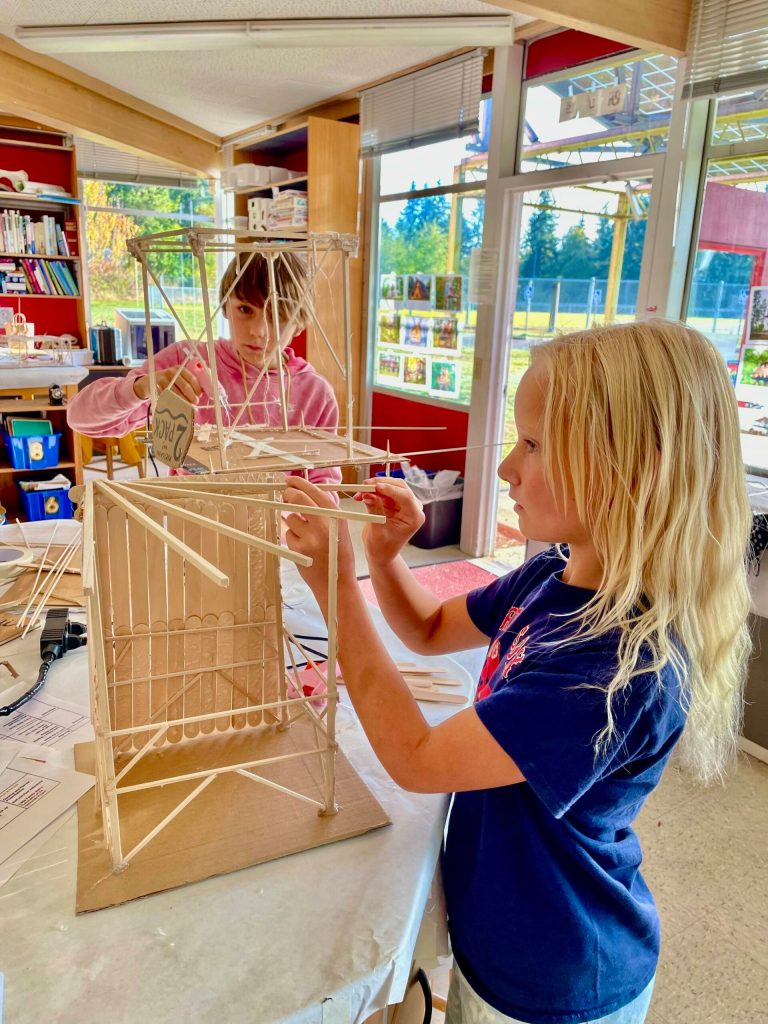
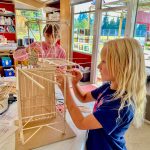
The school’s 4th and 5th graders, collectively known as Team Wonder, stepped into the roles of architects, engineers and urban explorers as they designed and built an inclusive community of model homes: created not for people, but for mythical creatures from their own imaginations.
Building on foundations laid in math, science, art, and social studies, the project blended creativity with practical engineering as students measured, drafted blueprints, converted metric units and worked hands-on with tools to create balsa wood structures that featured inclusive designs to accommodate a variety of abilities.
The week featured a mix of field trips and virtual conversations with experts in architecture, inclusive design and the arts. As they crafted imaginative dwellings, students also explored the real-world importance of designing spaces that welcome everyone. Lessons in perseverance, mindfulness, and executive functioning were woven throughout, helping students navigate both the design process and the challenges of group travel.
Outside the workshop, students practiced essential travel-study skills by navigating Seattle city streets, reading maps and timetables and observing norms on public transportation.
By the end of the week, participants had not only constructed a whimsical neighborhood for fantastical residents but had also strengthened independence, collaboration and awareness of the diverse world around them.
Eastern Washington
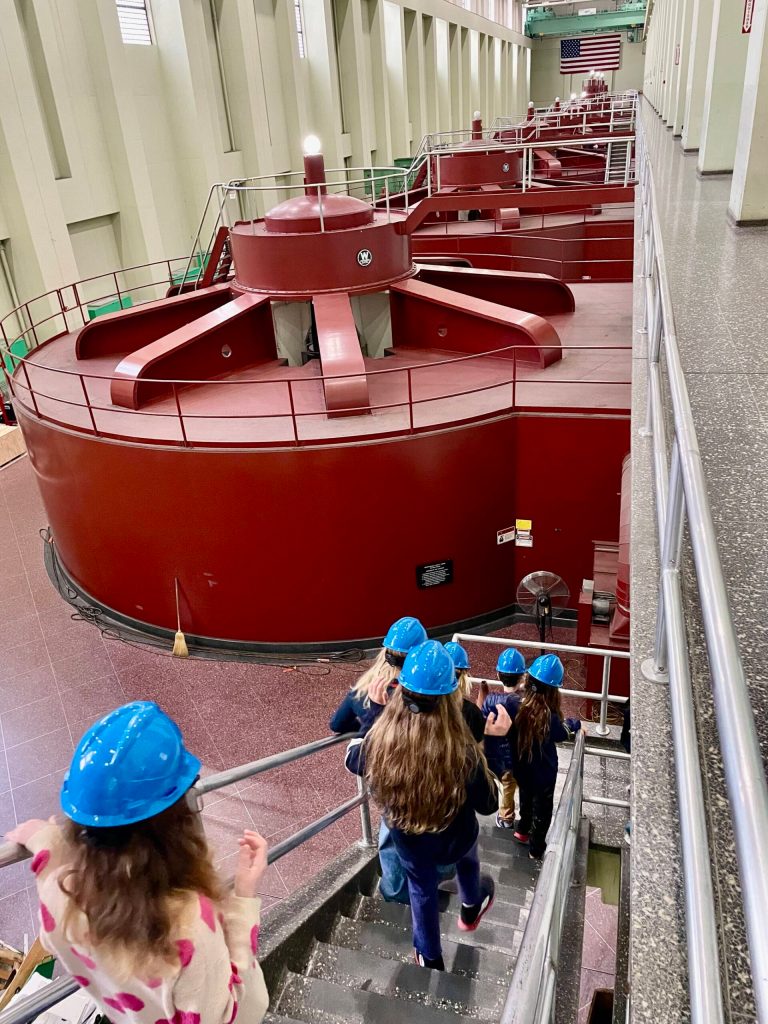
A four-day journey took 6th-grade students across the dramatic landscapes of Eastern Washington, focusing on geology, energy systems and ancient formations.
Students traditionally visit the Wild Horse Wind Farm outside Ellensburg to learn about and tour the gigantic wind turbines used to generate power. A stop by the Ginkgo Petrified Forest visitor center provided sweeping views of the Columbia River while allowing students to explore fossilized remains of forests from long ago.
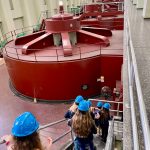
The main focus of the trip occurred the next day with a tour of Grand Coulee Dam and its visitor center, where the massive scale of human engineering left students visibly awestruck. Exhibits detailing the Ice Age Missoula Floods and the formation of Glacial Lake Missoula added geological context, helping students connect the region’s landscapes with its prehistoric past.
From there, the group traveled to Republic, Washington, for an afternoon at Stonerose Fossils, spending time chipping away in the fossil beds and uncovering fossils of their own.
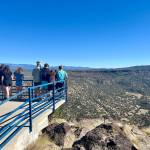
To add a wilderness component, students tackled the climb to the top of Steamboat Rock, an unforgettable ascent capped by lunch overlooking the carved basalt channels created by the same great floods they had studied the day before.
The return trip to Vashon included meaningful visits to Dry Falls Vista and the Lake Lenore Cave. The trip offered students a firsthand look at the powerful geological forces that shaped the Northwest and added depth to their study of natural history.
Santa Fe
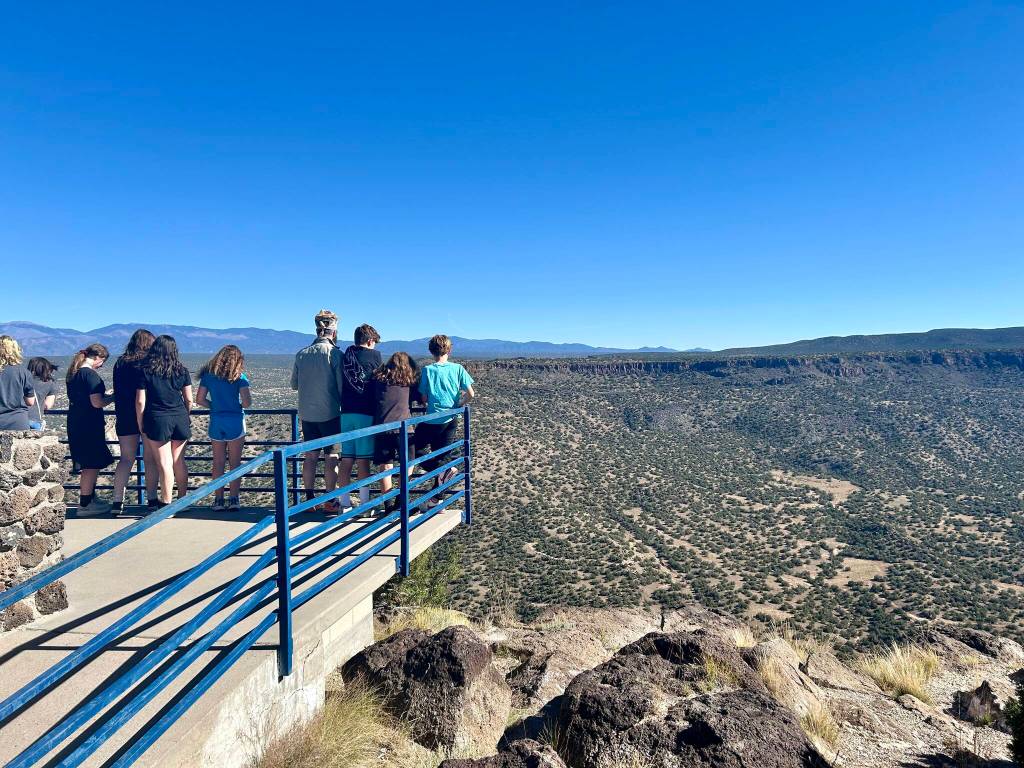
The weeklong 7th-grade trip offered students a rare chance to explore the many layers of northern New Mexico’s cultural and scientific history.
Students spent a morning at Los Alamos, learning about the scientific legacy of the Manhattan Project and the ongoing ethical conversations that surround it; hiked along the Dorothy Day Trail, where discussions centered on activism, faith and social justice; and visited Acoma Pueblo, one of the oldest continuously inhabited communities in North America.
Afternoons brought a diverse mix of hands-on learning and artistic immersion. At Bandelier National Monument, students navigated ancient cliff dwellings and kivas, climbing ladders into carved alcoves that revealed how ancestral Puebloans lived centuries ago.
The Georgia O’Keeffe Museum offered a window into the artist’s creative process and the landscapes that shaped her iconic work. At Tinkertown, students wandered through a labyrinth of hand-built dioramas and folk-art collections, sparking conversations about craftsmanship, imagination and the meaning of “outsider art.”
An evening at the immersive Meow Wolf Museum proved unforgettable. Students navigated surreal, interactive installations that merged storytelling, digital art, sculpture and sound into a multi-layered experience. The blend of mystery and creativity encouraged them to think differently about narrative and expression.
Throughout the week, the group explored Santa Fe’s historic Plaza, connected with local artists, and engaged with histories far older than what we experience here on the island. The cumulative effect of the trip encouraged students to ask deeper questions about identity, community, and place — inviting them to consider not only how a region is shaped, but how they themselves are shaped by the stories they choose to learn and carry forward.
New Orleans
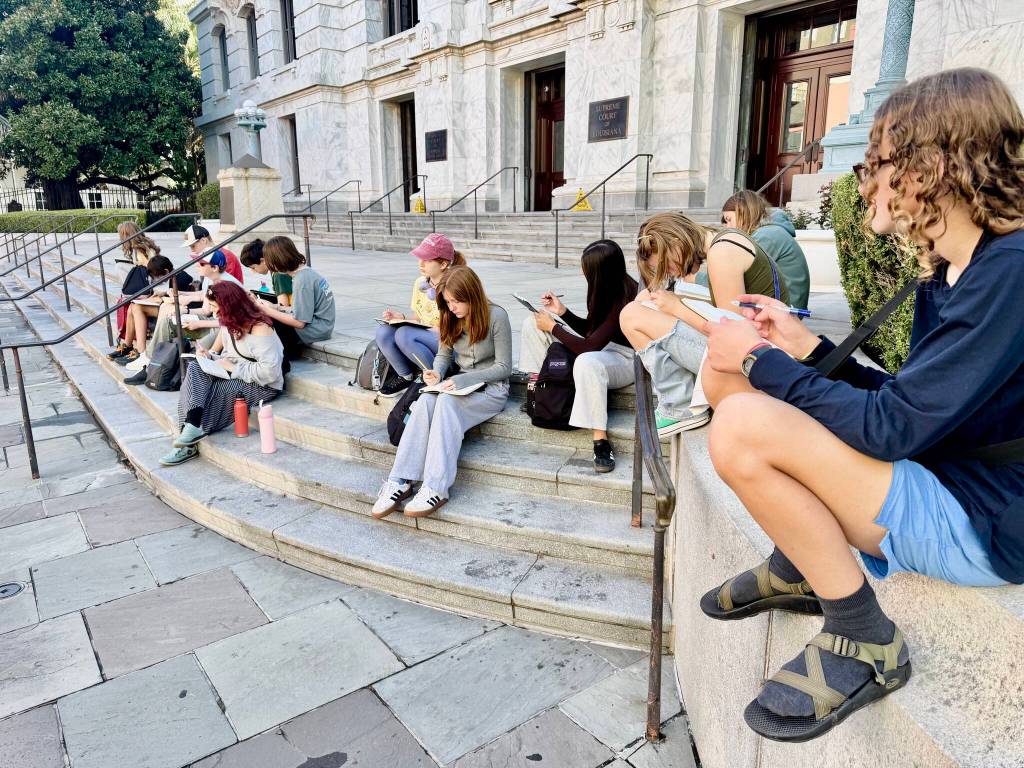
The week-long 8th-grade capstone trip brought students to New Orleans, a city defined by its cultural depth and complex history.
At the Whitney Plantation and Museum, students encountered an unfiltered account of slavery told from the perspective of the enslaved. The memorials, preserved cabins and personal narratives prompted thoughtful conversations about justice and the long-term impact of racial inequality.
The Tremè, one of the nation’s oldest African American neighborhoods, offered students a look at the roots of jazz, the significance of Congo Square and the community’s central role in civil rights and cultural expression.
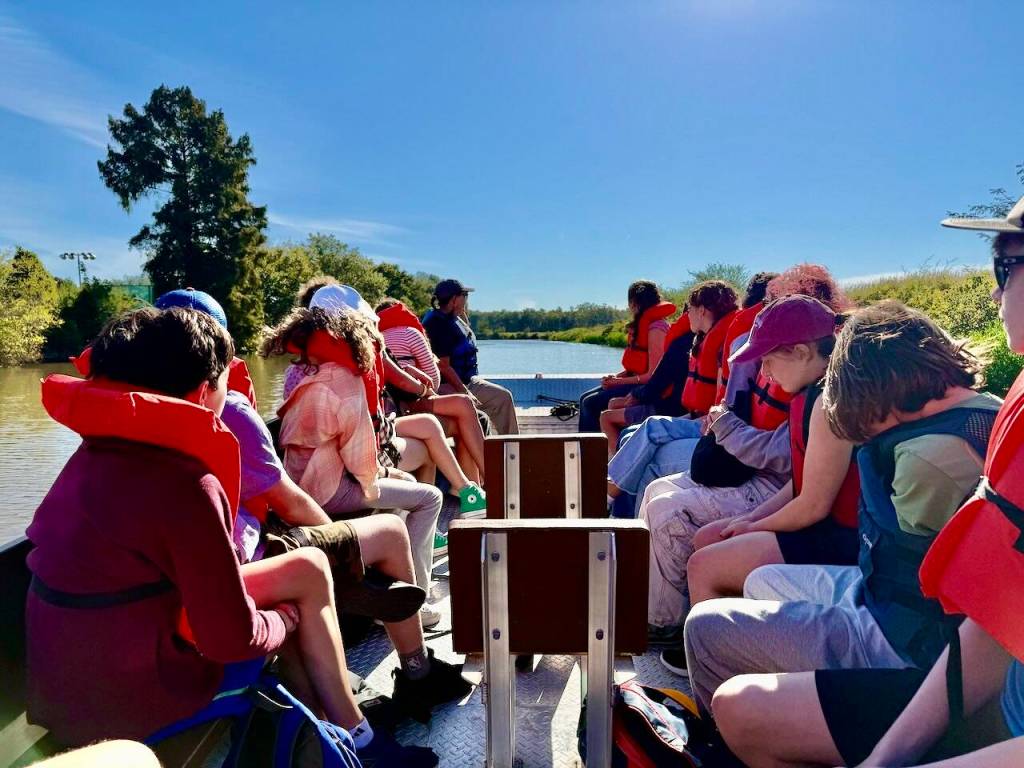
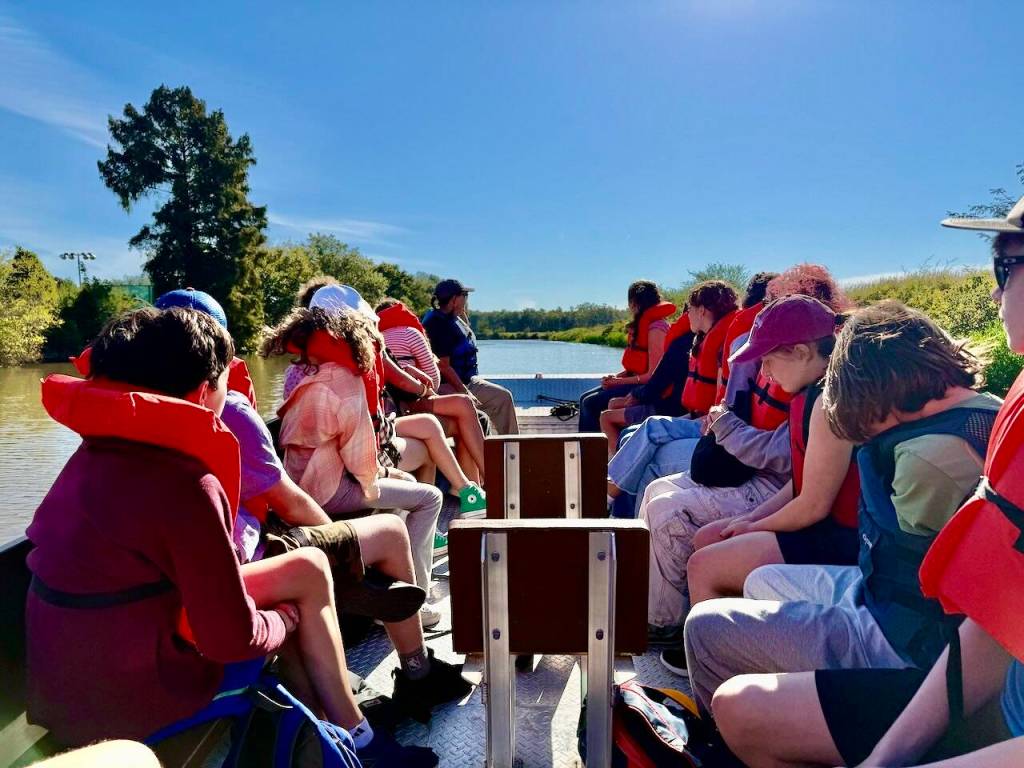
Hands-on experiences enriched the week. Students created traditional Mardi Gras masks while learning about the customs behind Carnival; explored Creole, Indigenous and Acadian history at the Vermilionville living-history museum; and ventured into the wetlands on a bayou tour that highlighted local ecology, wildlife and the environmental challenges facing coastal Louisiana.
Between excursions, students sampled iconic regional dishes, each carrying its own cultural story, including a private dining experience at the famed Dooky Chase’s Restaurant, whose legacy in civil rights and Creole cuisine added an especially memorable dimension to the trip.
The trip offered a layered look at New Orleans, blending history, culture and ecology in a way that encouraged students to think critically about the stories that shape a place and the responsibilities of those who learn them.
Each of these trips shared a common thread: students learning by doing, by exploring and by connecting. These experiences help young people understand the world and their place in it.
As educators, we’re reminded year after year that when students venture out together, they return more confident, more curious and more connected to their learning and their community.
James Batey is a teacher and a travel study coordinator at the Harbor School. Find out more about the school, which is now on a path toward full accreditation as an International Baccalaureate (IB) School for both primary and middle school grades, at harborschool.org. Harbor School has limited openings for the 2025-26 school year and is accepting applications for the 2026-27 school year.