‘The Japanese Presence on Vashon Parts 1 and 2’ documentary premieres April 26
Published 1:30 am Wednesday, April 20, 2022
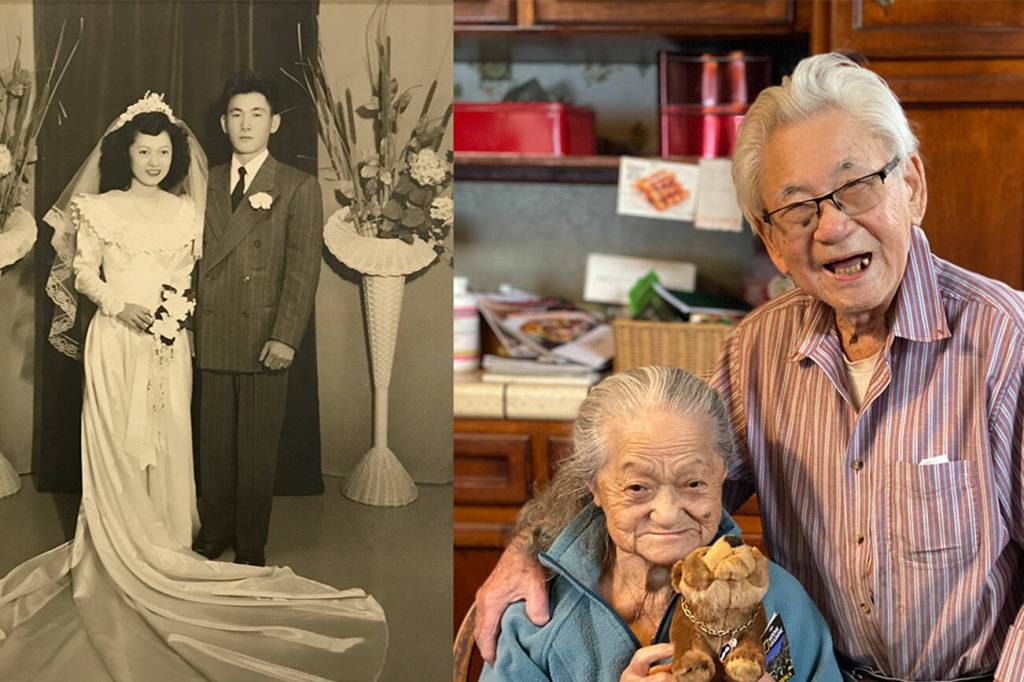


The history of migration to the United States has always been a mixture of adversity, generational sacrifice, and sometimes severe trial. Immigration is a deeply moving event worthy of documentation and commemoration.
Such is the story of a small group of Japanese farm workers who found their way to Vashon in the late 19th century. After a very long wait due to COVID, their story, along with stories of their descendants and others, is the subject of two episodes of the Voice of Vashon documentary series, “Vashon: Then & Now”.
“The Japanese Presence on Vashon Parts 1 and 2” will be presented at the Vashon Theatre at 6 p.m. Tuesday, April 26. The film looks at the humble beginnings and the eventual flourishing of Japanese immigrants and Japanese Americans on Vashon and Maury Islands. In December 1941, the Japanese bombed Pearl Harbor, and the carefully built-up plans and lives of the Japanese on Vashon were overturned practically overnight.
“They arrived with very little to their names but patiently grew their businesses and families becoming beloved members of the island community,” said editor Dennis Lambert. “Their farms were first rate and they were a kind and generous people.”
Director Michael Monteleone and Lambert, as well as several cast members, will be at the screening to answer questions. The show, presented by Green Tech, is free of charge and open to the public. Proof of vaccination is required at the door.
The topics addressed in “The Japanese Presence on Vashon Parts 1 and 2” are both common to other immigrant groups, such as starting as humble laborers and coping with racism but also includes themes particular to Japanese culture.
“If the story of the Japanese land Japanese Americans on Vashon was a tapestry it would be rich, nuanced with color and light, filled with epic struggles, setbacks and triumphs,” said Monteleone. “The weave would reveal the hard work and sacrifice, the overcoming of prejudice and racism, the exile of all and return of some to the only land they had ever called home.”