Q&A: How marginalized artists invented the Broadway musical
Published 2:09 pm Thursday, September 18, 2025
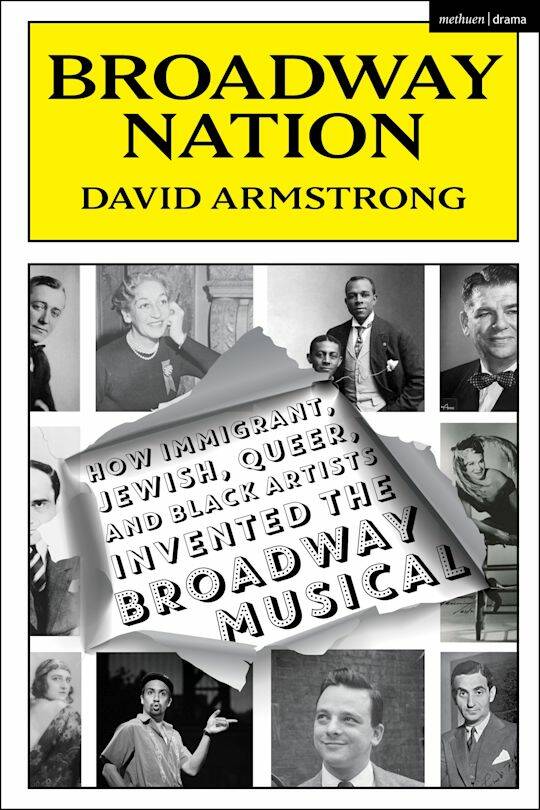


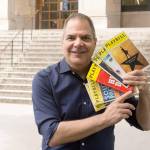
Editor’s Note: This article, first published by UW News, details a new book by director, producer and historian David Armstrong. A free event launching the book, “Broadway Nation — How Immigrant, Jewish, Queer, and Black Artists Invented the Broadway Musical,” will take place at 2 p.m. Saturday, Sept. 27, at Vashon Center for the Arts.
The event will include an interview of Armstrong by composer and dramaturg Albert Evans, a special performance by award-winning Seattle musical theater artist Sarah Rudinoff, an audience Q&A and a chance for audience members to win a copy of the book and test their Broadway knowledge in a musical theater trivia contest.
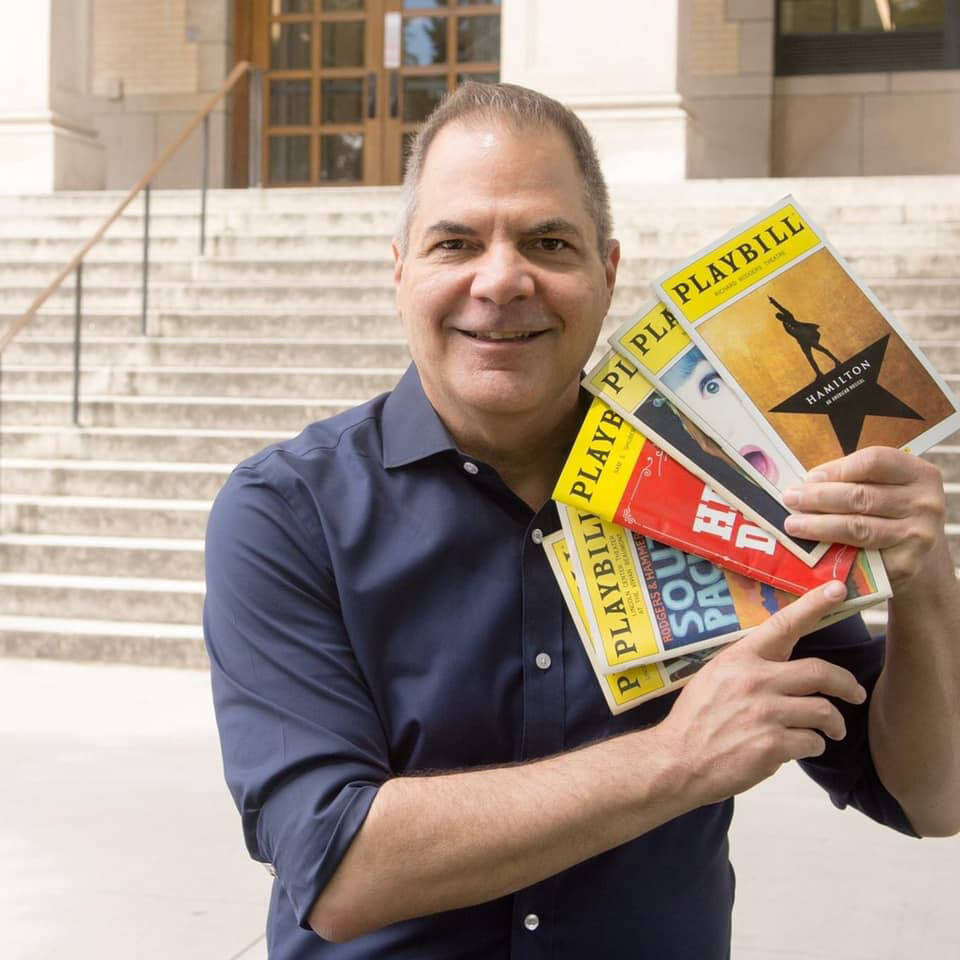
A new book from David Armstrong, University of Washington affiliate instructor of drama, evolved from his popular course titled, “The Broadway Musical.”
The class is a historical and cultural study of how the Broadway musical was predominantly created by people marginalized from mainstream society. Armstrong’s book, “Broadway Nation: How Immigrant, Jewish, Queer, and Black Artists Invented the Broadway Musical,” traces this same history through four major eras: The Genesis Period, The Silver Age, The Golden Age and The Modern Era.
Armstrong is also the writer, producer and host of “Broadway Nation,” a podcast focusing on the same topic. He’s worked as a director, producer, playwright and choreographer on Broadway and at leading theater companies and across the U.S. He is best known for his 18 years as the artistic director and executive producer at The 5th Avenue Theatre in Seattle.
UW News talked with Armstrong about his book and the cultural impact of Broadway musicals.
What made you want to focus on this history in particular?
David Armstrong: When I first got invited by the School of Drama to create a course, the question I had to grapple with was, “Well, what do I want to teach about?” They wanted a history of the Broadway musical and there are a lot of ways to go about that. I wanted to do something that was different — and this had been on my mind for quite a while — the fact that the Broadway musical was almost entirely an “outsider art form.” And diving into the research reemphasized my thesis that the artists who created the Broadway musical, and who have sustained it over its 125-year history, have come overwhelmingly from marginalized groups — including some that we wouldn’t think of as being marginalized today but who were severely disenfranchised in their day. For example, Irish immigrants are so much a part of this story, and they were at the bottom of the social scale at the turn of the 20th century.
That story of marginalized groups writing Broadway musicals became very interesting to me. I’ve always been fascinated with history. I always used to say, even as a kid, “Everything I know about history I learned from Broadway musicals.” You learn a lot about life from Broadway musicals, and you definitely learn about history.
In the introduction to this book, you talk about how Broadway musicals reflect and shape American culture. Can you elaborate on what you mean by that?
The Broadway musical is a very democratic art form. It comes from the people. Because the originators themselves came from the streets, it’s not an aristocratic art form, the way most art forms had been prior to it.
The early creators were intent on trying to reflect what was going on in the world. George M. Cohan, whom I credit with being the father of the musical comedy, talked about bringing the streets onto the stage — so it’s very much trying to capture the essence of American life.
Some people will say musicals are unrealistic. That’s an easy cop-out.
I think musicals are metaphors for what’s going on in life. They reflect life in their own way. A student once said to me after my class: “I didn’t expect this to be so much about American history.” And I said, “Well, you can’t separate the two things.” It’s all reflected in musicals, and musicals are then reflecting back what’s happening in the world and in the culture. The secret of musicals is that even if people perceive them as being sort of silly or unimportant, underneath, they’re dealing with all these issues. The secret sauce of the great musicals is that they are almost always about important issues that are at the heart of American culture. But people aren’t always aware of that because they’re presented in such a wildly entertaining fashion. Still, I believe the underlying subject matter is being absorbed by audiences subliminally. That’s what makes musicals so transgressive — they have this underlying message and hidden power.
You conclude the book with chapters on the cultural impact of musicals. How would you describe that impact?
Those are my favorite chapters and my favorite part of teaching. They weave together everything else that’s in the book. By that point, I’m done telling the history, because we’ve basically come to the present moment.
The third theme, and it’s right up there in importance, is community, specifically the importance of forming healthy, vital communities. Musicals as disparate and diverse as “Oklahoma!” and “Come from Away” demonstrate how to do it. Conversely, shows like “Sweeney Todd” and “West Side Story” depict communities that are broken down and in trouble. What do we need to do to build, maintain and nurture a community? The answer that Broadway musicals put forward most often is that — in order to have a thriving, healthy community — both warring sides of a conflict must compromise. We must somehow come together. We don’t seem to be living in a world that is capable of compromise right now. I think we may need to learn from these great Broadway musicals to move forward.
Released by Methuen Drama/Bloomsbury on July 24, Armstrong’s book is on sale at the publisher’s website, Amazon and booksellers nationwide. Find out more about the free book launch at Vashon Center for the Arts by visiting vashoncenterforthearts.org.