Exhibit includes extraordinary images of a bygone era
Published 5:48 pm Wednesday, October 1, 2025



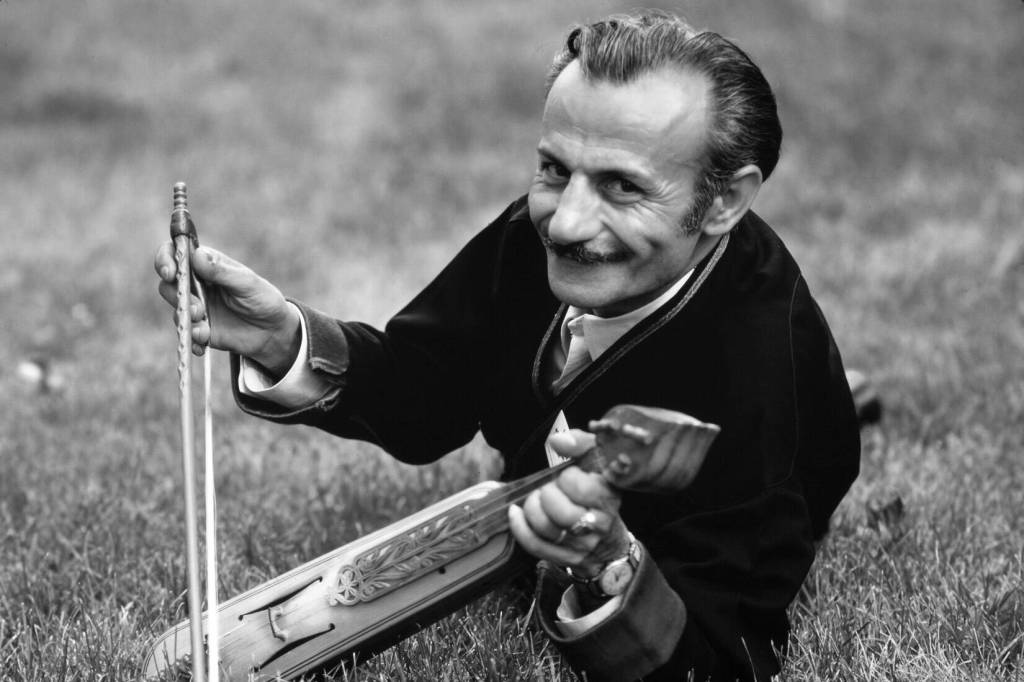
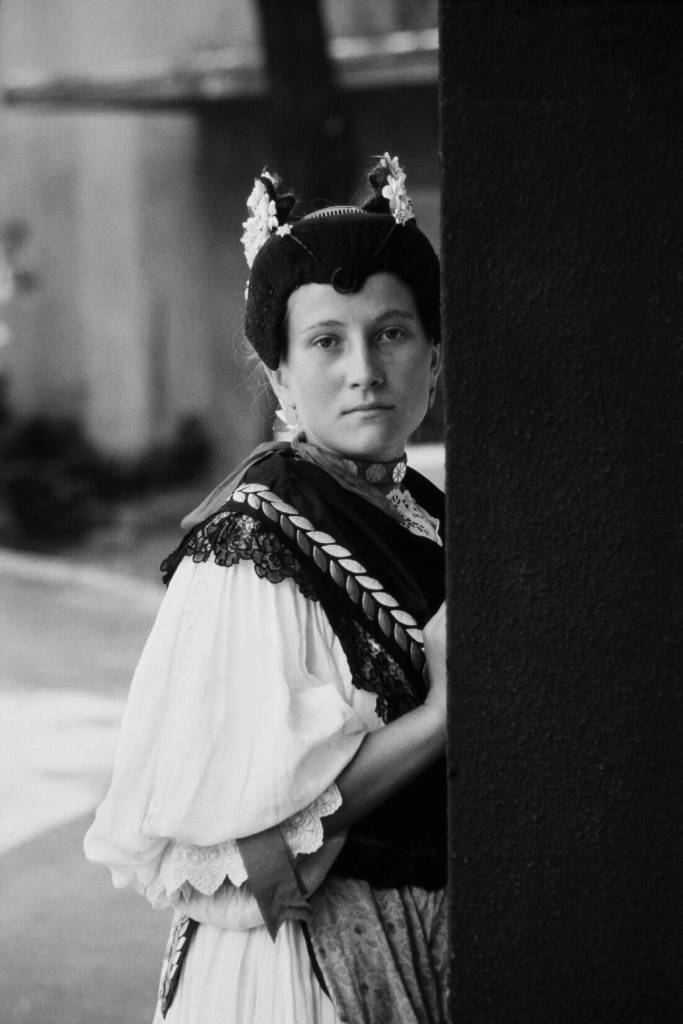

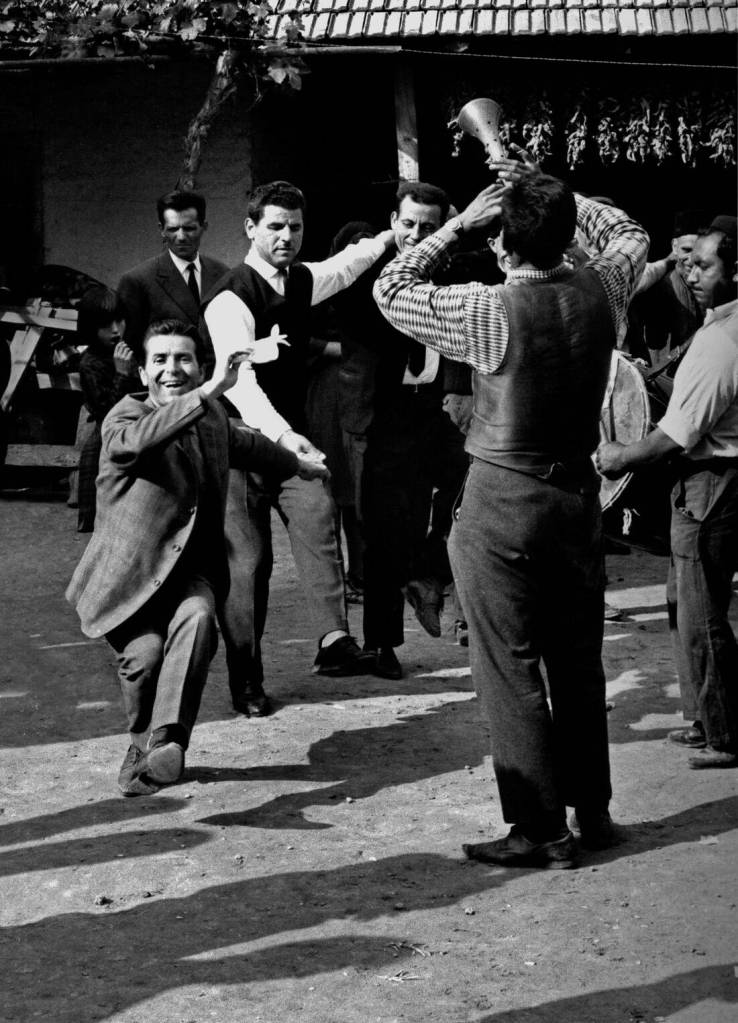


This month, an immersive exhibit as well as other related events will celebrate the life’s work of longtime islander Martin Koenig, an ethnographer, folklorist and photographer who, over the course of decades, powerfully documented a disappearing way of life in eastern Europe.
Koenig’s exhibition of photographs, “Balkan Echoes: Portraits of Southeast Europe (1962-1987),” opens from 5-8 p.m. Friday, Oct. 3, at Vashon Center for the Arts, offering an extraordinary visual archive of Balkan village life during a time of profound transformation.
The exhibit will be augmented in two other upcoming VCA events.
“Balkan Night: Dance & Music Celebration,” will take place at 7:30 p.m. Saturday, Oct. 11. The evening of dance, curated by Koenig, will include performances by Koleda Ritual Dancers, Radost Folk Ensemble, Seattle Cheta, Tamburaški Orkestar Kišobran, Dunava, Vela Luka Croatian Dance Ensemble, and more — a night Koenig promised would “burst with rhythm, traditional costumes and joy.”
In a phone interview, Koenig expressed awe for the various groups of dancers he has assembled.
“They are spectacular,” he said.
And at 2 p.m. Sunday, Oct. 12, Koenig will sit down for a free artist’s talk with musical and cultural advocate Benjamin Hunter to discuss the stories behind the powerful images on view in the exhibit.
According to VCA gallery director and curator Lynann Politte, the exhibition and auxiliary events document both a bygone era and the enduring soul of Balkan culture — one rooted in resilience, shared rhythms and the beauty of community.
“Koenig’s work reminds us of the beauty and strength of traditions carried through music, dance and community,” said Politte. “This exhibition is both a tribute and a call to remember.”
A long history
From 1962 to 1987, with the early encouragement of renowned anthropologist Margaret Mead, Koenig set out to learn Balkan folk dances.
As he traveled, absorbing the culture and speaking with the people he encountered, Koenig became even more captivated by the authentic and old, yet very much alive, music he heard all around him.
The hypnotic sounds of the Bulgarian bagpipe, ecstatic singing and odd-metered rapid-fire dances he observed painted a vivid picture of a multi-faceted culture that sat at the crossroads of Europe and the Middle East, Koenig said.
Toting heavy audio equipment and cameras, he captured as much music as he could and took photographs not only of the singers and dancers but also those going about their daily lives in villages throughout the countryside.
Over the next 25 years and nearly a dozen more journeys to countries including Croatia, Serbia, Kosovo, North Macedonia, Bulgaria, Romania and Greece — he continued to capture intimate moments of everyday life, rituals, music and dance in rural communities on the brink of modernization.
Almost immediately, his work was seen as revelatory.
One of his recordings, made in a rural classroom in 1968, is the haunting folk tune “Izlel e Delyu,” as sung by Valya Balkanska. In 1977, this recording was chosen by Carl Sagan to be included on the famed Golden Record that sits inside the Voyager spacecraft, currently hurdling at 40,000 miles per hour outside our solar system.
Koenig’s work as a central figure in the folk arts field is now well-established.
In 1967, he co-founded the Balkan Arts Center (today the Center for Traditional Music and Dance) in New York City, which rose to national prominence for its research, documentation and innovative presentations of folk arts. He also co-directed the Smithsonian’s Old Ways in the New World program at the Smithsonian Festival of American Folklife, produced recordings for Smithsonian Folkways Recordings and curated festivals, concerts and exhibitions worldwide. His vast collection of films, recordings and photographs are now preserved at the Library of Congress.
Koenig celebrated a capstone to his career in 2019, when Smithsonian Folkways published “Sound Portraits from Bulgaria: A Journey Into a Vanished World 1966-1979,” a 144-page, large-format hardcover art book with two accompanying music CDs.
That book, as well as another catalog of Koenig’s work, will be on sale throughout the exhibit.
VCA’s show also includes cultural artifacts including traditional costumes and masks, QR codes that will enable viewers to listen to the music Koenig recorded in the field (bring ear buds to the show) and other photographs proving a narrative account of immigrant Balkan communities in the United States.
The show is an expanded version of two exhibitions in 2019 and 2021 hosted by the Bulgarian National Art Gallery, in Sofia, Bulgaria, and the Thessaloniki Photo Biennale and Photometria Festival, in Greece. VCA’s exhibit, however, is the first to include his color photographs.
Koenig praised Politte for her eagerness to work with him in expanding the exhibition’s scope and also thanked numerous islanders, including Richard Jones, John Lucas and Nick Simmons, who have provided technical and professional expertise to him over the course of the past two decades.
As he nears his 87th birthday, Koenig is able to define the passion that has driven his work in a simple way.
“My work is to champion immigrant culture, and I do it in every possible way,” he said. “And in the past 20 years of my life, I’ve been able to do these displays with photographs and film. I’ve been lucky I got a second round. I feel very supported by my own community and also the communities whose work I have presented for 60 years.”
Find out more about the exhibit and purchase tickets to the Oct. 11 dance event (tickets for youth 18 and younger are free) at vashoncenterforthearts.org.