Desert Island Bookworm: The dark side of the editor
Published 1:30 am Wednesday, July 9, 2025
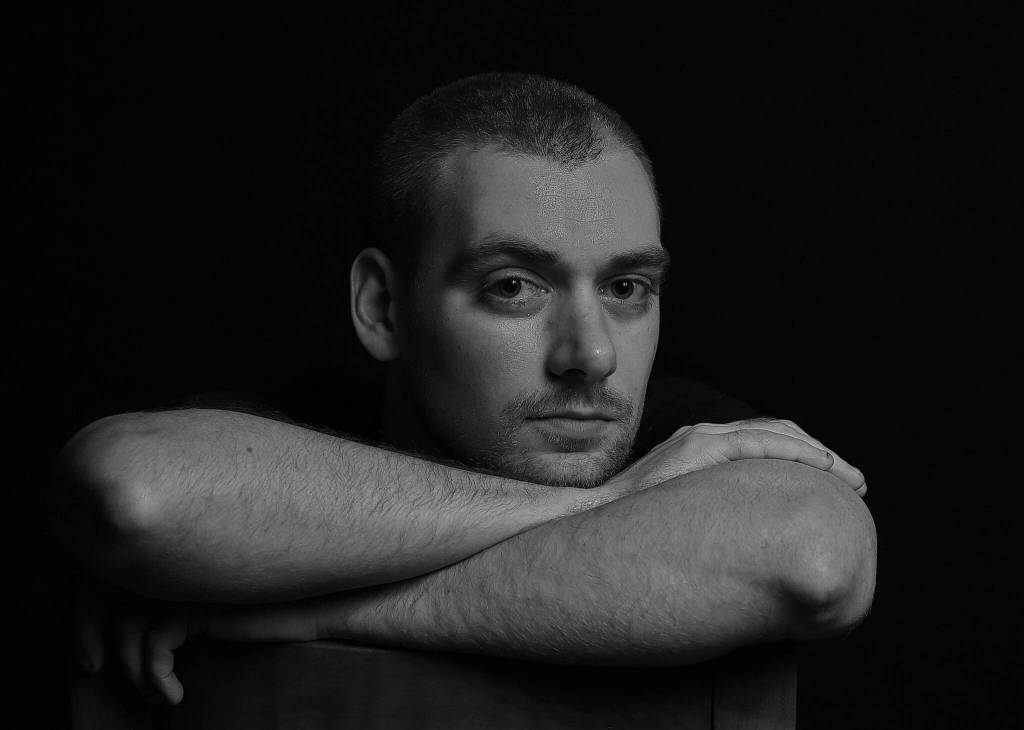


Editor’s Note: Phil Clapham’s “Desert Island Bookworm” series features interviews with notable islanders about the books they’d take to a desert island, named after the BBC program “Desert Island Discs.”
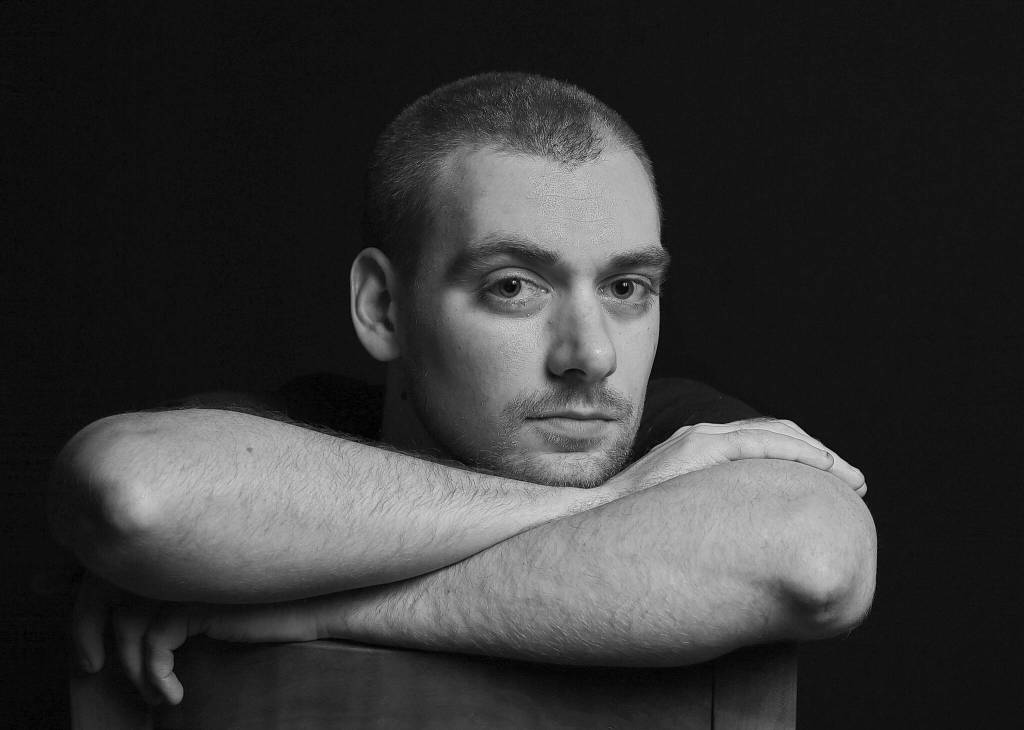
The subject of this week’s Desert Island Bookworm column is none other than Alex Bruell, editor of The Beachcomber.
Born in Federal Way and growing up there, Bruell could see Maury Island (where he now lives) from his bedroom window near Dash Point. He pursued a double major in philosophy and journalism at the University of Washington. “Combine those two,” he jokes, “and you almost have a viable financial decision.” After graduating in 2017, he began his journalism career in Longview, Washington, where he covered the police beat. Then in 2021 he was hired by Sound Publishing: first to work in Enumclaw, and later with the Federal Way Mirror.
In the summer of 2023, he was offered the job of editor at The Beachcomber. It has been, he noted, the most difficult and intense job he’s had. “Some places generate much more news than you’d think for their size,” he explained. “And Vashon is definitely what we’d call a ‘newsy town’. It’s never boring — though I constantly wish I had more staff.”
But he loves the island. “Vashon has a dominant culture … reflected in a strong arts and social services community. And what I’d call idiosyncratic people tend to find themselves here. I guess I’m one of them. I’ve certainly felt more appreciation and love here than anywhere else I’ve ever worked.”
So which books would he take to a desert island?
“I’m definitely a self-identified sci-fi and fantasy nerd,” he said, “and I tend to like really dark themes, with character-centered storytelling. I grew up watching violent 1970s and 80s movies with my dad, and I like reading about repulsive, vile characters, and trying to get into their heads and understand them.”
Figuring out people who’ve made grievous mistakes and destructive decisions in the public eye is something he’s done a lot of in his journalism career, he said.
“More generally, I like political satire — stories that are dark and cynical, but with heart. You tend to find a lot of this in sci-fi.”
Bruell names some tomes with sweeping themes. “’Lord of the Rings,’ ‘Dune’ and ‘A Song of Ice and Fire,’ for example.” He liked “Game of Thrones” but regards the TV series as inferior to the books. “It’s sort of like the free trial version,” he joked.
He also likes novels that examine cultural interactions and how they change the participants. “A good example is Ursula Le Guin’s “The Left Hand of Darkness,” he said. “It’s about a planetary society. .. visited by an emissary from a sort of galactic United Nations, wanting them to join.”
But the leaders of the icy-cold planet, called Winter, are skeptical of the emissary’s claims, and both sides struggle to understand each other’s motivation. “Over time, the emissary slowly becomes more like the people he’s trying to convert,” Bruell said — including developing more complicated feelings for one of them.
The theme of how individuals react to exposure to others is taken to an extreme in one of Bruell’s other choices, Elie Wiesel’s “Night,” a memoir of the Holocaust. As a descendant of Austrian Jews, he has a particularly keen appreciation of Wiesel’s memoir. “It’s so important to read about the psychology of genocide,” he noted. “How would being in that situation change you as a person? How do you break the cycle of revenge?”
“I suppose all my favorite stories are really sad, and often about really bad people,” he said.
Other favorites: Dan Simmons’ “Hyperion,” “a colorful, bizarre and very fun sci-fi epic that also explores interesting themes of religion.” “Flowers for Algernon,” Daniel Keyes’ short story (and later novel) that touches on ethical and moral themes with regard to the mentally disabled.
Next, he mentions a short story that generated so much harassment for its transgender author, Isabel Fall, that its publication was withdrawn at her request. “I Sexually Identify As An Attack Helicopter,” later titled “Helicopter Story,” is a sardonic military science-fiction story about a woman whose gender has been neuro-medically reassigned by the army to ‘attack helicopter’ to make her a better pilot in an ongoing war. (The story can still be found online.)
“The story was taken as transphobic by many people,” Bruell said, “but it’s really a clever examination of the whole issue of gender.”
Bruell’s final choice is Chuck Palahniuk, a journalist-turned-novelist whose most famous novel is “Fight Club.” He uses a series of very stark adjectives to describe Palahniuk’s writing: “Juvenile, lurid, immature, obscene, shocking, hilarious and even disgusting — but it’s full of heart.”
He cites as an example a short story entitled “Guts” — a piece of psycho-sexual body horror so distressing that people are said to have fainted during some of Palahniuk’s public readings. According to Bruell, the piece should only be read by those with a very open mind and a very empty stomach. “It’s undeniably foul,” Bruell said, “but it stays with you.”
“If I have a favorite author,” he concludes, “it’s probably him.”
Phil Clapham is a retired whale biologist who lives on Maury Island. His comic romance novel “Jack” (under his nom-de-plume Phillip Boleyn) is available on Amazon.